
Kelowna's Rain: How Sealing Protects Your Concrete from Moisture Damage
Kelowna’s frequent showers and unpredictable downpours can easily soak into unprotected concrete, leading to cracks, spalling, and unsightly efflorescence in mere hours. Understanding how rain impacts concrete sealing in Kelowna empowers homeowners and commercial property managers to effectively shield driveways, patios, and warehouse floors from moisture damage. This guide delves into how precipitation affects both unsealed and newly sealed surfaces, compares the top rain-resistant sealers, outlines an ideal sealing process tailored for Kelowna, and shares maintenance tips to extend protection. You’ll also discover why Rhino Sealing and Coating’s local expertise delivers lasting, attractive results, even through BC’s wettest months.
How Does Rain Affect Unsealed and Newly Sealed Concrete in Kelowna?
Rainwater interacts with the surface porosity and curing chemistry of bare or freshly sealed concrete, driving moisture intrusion and weakening its structural integrity. When rain soaks into unsealed slabs, it erodes fine particles and widens pores. If exposed during the curing process, water can become trapped within the sealer film, compromising adhesion. These moisture-related processes accelerate wear and significantly reduce long-term durability.
What Damage Does Rain Cause to Unsealed Concrete Surfaces?
Before sealing, concrete behaves much like a sponge during rain, absorbing water and leading to surface deterioration. Common types of damage caused by rain include:
- Erosion and Particle Loss – The impact of raindrops can dislodge cement paste, resulting in a rougher surface texture.
- Cracking and Crazing – Water penetrating the concrete and subsequent drying cycles create shrinkage stresses that manifest as fine surface cracks.
- Surface Scaling – Repeated cycles of wetting and drying can cause thin layers of the concrete surface to flake off, especially under traffic.
These failures diminish structural integrity and create conditions ripe for freeze-thaw spalling during Kelowna’s winter months, underscoring the critical need for effective sealing.
Why Is Dry Time Critical for Newly Sealed Concrete Before Rain Exposure?
New sealers cure through chemical reactions or polymer cross-linking, processes that involve the expulsion of solvents and moisture. Exposing a fresh sealer film to rain before it has fully hardened can disrupt this process, leading to surface whitening (known as blushing), hazing, and a significant reduction in water repellency.
Key factors influencing dry time:
- Ambient temperature and humidity levels
- The specific sealer formulation (water-based versus solvent-based)
- The thickness of the applied sealer
Allowing at least 24–48 hours of uninterrupted curing time, especially during Kelowna’s milder summer conditions, is essential for optimal barrier formation and to prevent premature failure.
What Are the Long-Term Effects of Moisture Intrusion on Concrete?
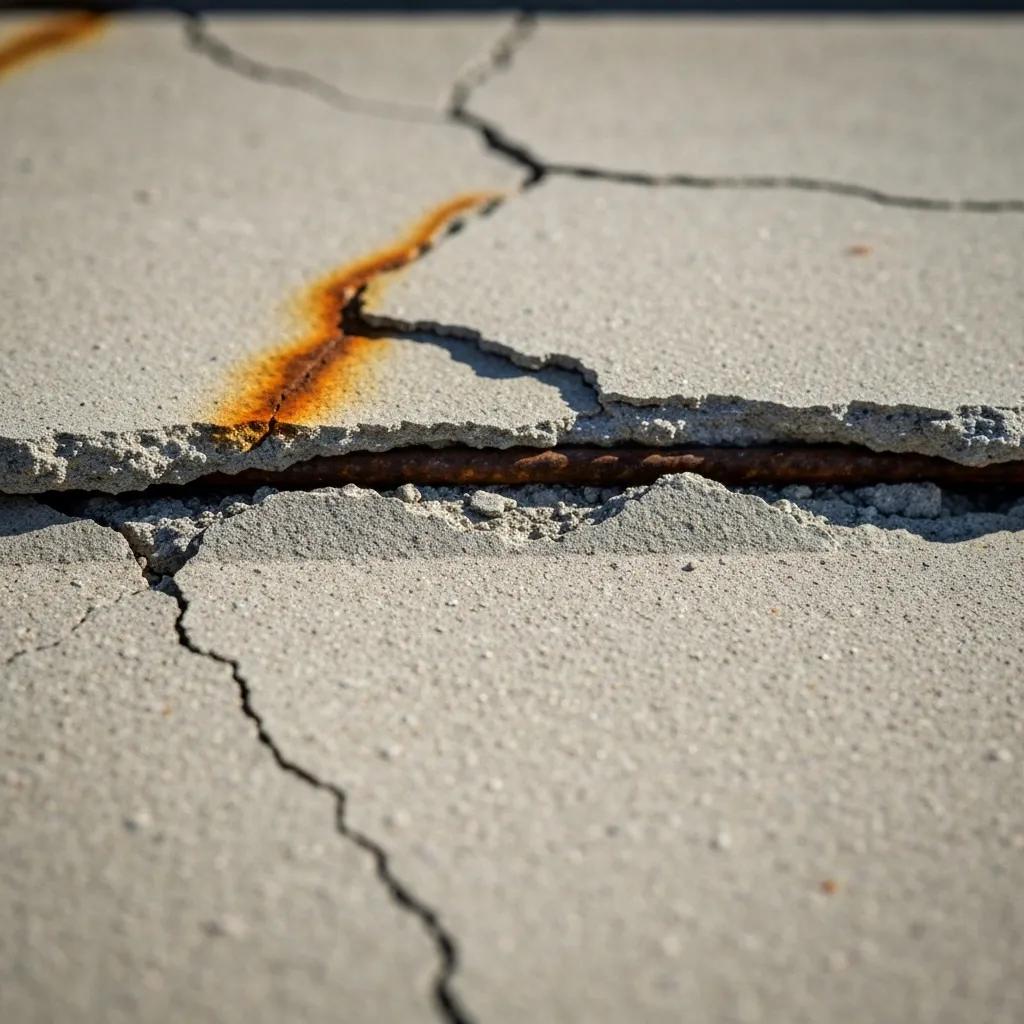
Persistent water infiltration gradually undermines concrete durability through repeated stress cycles and chemical reactions. Over time, this moisture intrusion can lead to:
- Freeze-Thaw Spalling – Water trapped within the concrete’s pores expands when it freezes, exerting pressure that can fracture the surface.
- Efflorescence – Soluble salts within the concrete migrate to the surface as moisture evaporates, leaving behind unsightly white deposits.
- Rebar Corrosion – When water reaches the steel reinforcement (rebar) embedded in the concrete, it initiates a rusting process. This rust expands, causing the concrete to crack and spall.
These ongoing damages significantly increase repair costs and highlight the substantial value of proactive concrete sealing.
The Concrete Society, Damage due to freeze-thaw (2025)
Freeze-Thaw Cycle Effects on Concrete
The freeze-thaw cycle is a primary cause of damage to construction materials like concrete and brick assemblies. This damage occurs when water fills the voids within a rigid, porous material, then freezes and expands, potentially leading to cracking and spalling.
Which Concrete Sealers Offer the Best Rain Protection for Kelowna’s Wet Climate?
Concrete sealers differ in their chemical composition and performance characteristics, with each type offering a unique balance of breathability, water repellency, and UV stability. Selecting the appropriate sealer is crucial to ensure effective moisture resistance without trapping water vapor, which could compromise the underlying substrate.
How Do Penetrating Sealers Protect Concrete from Rain and Moisture?
Penetrating sealers work by reacting chemically with the minerals present in concrete, forming hydrophobic compounds deep within the pores. These sealers:
- Create a breathable barrier that effectively repels liquid water
- Allow water vapor to escape, preventing moisture entrapment
- Preserve the natural texture and appearance of the concrete
This deep-level protection significantly reduces water ingress and guards against damage caused by freeze-thaw cycles.
Foundation Armor, Penetrating Concrete Sealer: What Is It and Why Is It Important? (2023)
Penetrating Concrete Sealer: What Is It and Why Is It Important?
Penetrating concrete sealers create a hydrophobic barrier that prevents moisture, salts, stains, and other damaging substances from penetrating the concrete. These sealers react chemically within the concrete to protect it from water, deicing chemicals, and other harmful agents.
What Are the Benefits of Topical Sealers Against Rain and UV Exposure?
Topical or film-forming sealers create a protective coating on the concrete surface, available in clear or colored finishes. These sealers:
- Form a uniform barrier that blocks liquid water and stains
- Resist degradation from ultraviolet (UV) radiation, ensuring long-term clarity
- Enhance the surface sheen and color vibrancy
For high-visibility areas like patios and decorative floors, these sealers offer an attractive combination of aesthetic appeal and reliable moisture defense.
Are Epoxy and Polyaspartic Coatings Suitable for Outdoor Rain Resistance?
Epoxy and polyaspartic systems cure into dense, non-porous films that provide excellent resistance to water, chemicals, and abrasion.
| Coating Type | Key Feature | Rain Resistance |
|---|---|---|
| Epoxy | High cross-link density | Excellent barrier properties, but may exhibit yellowing with prolonged UV and moisture exposure. |
| Polyaspartic | Rapid cure and superior UV stability | Offers outstanding water repellency and allows for a quick return to service. |
For outdoor applications, fast-curing polyaspartic coatings often outperform epoxy due to their combination of effective moisture exclusion and excellent UV resilience.
Floor Shield, Why Polyaspartic Concrete Coatings Are the Best for Outdoor Applications Introduction (2024)
Why Polyaspartic Concrete Coatings Are the Best for Outdoor Applications Introduction
Polyaspartic coatings are exceptionally UV stable and do not yellow or degrade under sunlight, making them ideal for outdoor areas. They are also known for their superior mechanical strength and can withstand heavy traffic, impacts, and abrasions.
What Is the Optimal Concrete Sealing Process to Prevent Rain Damage in Kelowna?
An effective sealing procedure involves meticulous surface preparation, precise application techniques, and controlled curing conditions. Adhering to each step is crucial for preventing precipitation-related failures.
How Does Surface Preparation Improve Rain Resistance of Sealed Concrete?
Proper surface preparation is essential for removing contaminants and opening the concrete pores to allow for optimal sealer penetration:
- Pressure washing effectively removes dirt, oil stains, and efflorescence.
- Acid etching or mechanical grinding creates the necessary surface profile for strong sealer adhesion.
- Moisture testing confirms that the substrate is sufficiently dry before sealing commences.
Achieving a clean, receptive surface prevents sealer delamination and ensures deep, lasting bonding, even under potentially damp conditions.
What Are the Best Application Techniques and Curing Conditions for Rain Protection?
The performance of a concrete sealer is highly dependent on uniform application and stable curing environments:
- Apply the sealer at the manufacturer’s recommended coverage rates, ensuring even overlap.
- Maintain ambient temperatures above 10 °C (50 °F) and humidity levels below 70 %.
- Protect the sealed area from rain during the specified drying and curing period.
Following manufacturer guidelines and closely monitoring weather forecasts are key to guaranteeing a robust and effective moisture barrier.
How Should Concrete Be Maintained to Extend Rain Protection Longevity?
Regular maintenance is vital for reinforcing the sealer’s performance over the years:
- Clean the surface using neutral-pH detergents to remove accumulated contaminants.
- Periodically inspect for signs of wear or peeling, and spot-reapply sealer as needed.
- Perform a full resealing at intervals recommended by the sealer manufacturer.
These proactive maintenance steps help preserve the concrete’s hydrophobic properties and prevent moisture infiltration cycles.
How Can Homeowners and Commercial Property Owners Prevent Rain Damage with Concrete Sealing?
Investing in professional concrete sealing is a highly cost-effective strategy for preventing common rain-related concrete failures, thereby safeguarding both the aesthetic appeal and structural integrity of your property.
What Are Common Rain-Related Concrete Problems for Kelowna Properties?
In Kelowna’s consistently damp climate, unprotected concrete frequently exhibits:
- Surface cracking resulting from cyclical wet-dry stress
- Discoloration and staining caused by waterborne contaminants
- Spalling due to the expansion forces of freezing water
- Powdering or efflorescence forming on the top layer
Early identification of these issues allows for timely sealing interventions, preventing more significant damage.
How Often Should Concrete Be Resealed to Maintain Rain Protection in Kelowna?
The frequency of resealing depends on factors such as traffic volume, environmental exposure, and the specific type of sealer used.
| Condition | Resealing Frequency |
|---|---|
| Residential driveways | Every 2–3 years |
| High-traffic commercial floors | Annually |
| Decorative or low-traffic surfaces | Every 3–4 years |
What Are Rhino Sealing’s Solutions for Rain-Damaged Concrete Repair and Restoration?
When rain damage has already occurred, Rhino Sealing and Coating offers comprehensive solutions to restore concrete integrity:
- Injecting cracks with specialized epoxy or polyurethane resins
- Patching spalled areas using durable, polymer-modified mortars
- Refinishing surfaces with high-performance penetrating or topical coatings
- Applying warranty-backed overlays designed to resist future moisture intrusion
These targeted repair methods effectively extend the lifespan of the concrete and restore its original appearance without the need for complete slab replacement.
Why Is Professional Concrete Sealing Essential for Rain Protection in Kelowna?
Engaging an experienced concrete sealing contractor ensures the correct selection of products, flawless application techniques, and the delivery of lasting moisture defense tailored to local environmental conditions.
How Does Rhino Sealing’s Local Expertise Address Kelowna’s Rain and Climate Challenges?
The Rhino Sealing team possesses a deep understanding of Kelowna’s specific seasonal precipitation patterns and freeze-thaw cycles. This expertise allows us to precisely tailor sealer choices, application timing, and cure monitoring to ensure reliable, long-lasting performance, even when unexpected showers occur.
What Are the Benefits of Choosing Rhino Sealing for Concrete Protection Against Rain?
Opting for professional concrete sealing services from Rhino Sealing provides several key advantages:
- Consistent film thickness ensures uniform moisture resistance across the entire surface.
- Application using manufacturer-approved techniques helps maintain warranty coverage.
- Enhanced curb appeal is achieved through crisp, even finishes.
- Cost savings are realized by preventing the need for expensive, major water-driven repairs down the line.
These benefits translate into durable, low-maintenance concrete surfaces that withstand the challenges of BC’s wettest months.
How Can You Get a Free Consultation and Quote for Rain-Resistant Concrete Sealing?
Requesting a no-obligation assessment of your concrete is straightforward. Simply contact Rhino Sealing and Coating via their website or phone number to schedule an on-site evaluation. You’ll receive a customized sealing plan specifically designed for your Kelowna property.
What Are the Most Frequently Asked Questions About Rain and Concrete Sealing in Kelowna?
Homeowners and facility managers frequently seek clarification on sealer drying times, the consequences of early rain exposure, and the best sealer options for local conditions. Understanding these fundamental aspects is key to achieving effective protection against moisture damage.
How Long Does Concrete Sealer Need to Dry Before Rain in Kelowna?
Most high-quality concrete sealers require a minimum of 24–48 hours of dry, stable weather conditions before being exposed to rain. Cooler temperatures and higher humidity levels can extend this necessary cure time, so it’s always advisable to confirm the specific product’s specifications.
What Happens If Concrete Sealer Gets Wet Too Soon After Application?
Exposure to rain during the critical curing phase can result in several undesirable outcomes:
- A milky or cloudy appearance on the surface (blushing)
- Reduced adhesion and diminished water repellency
- Sticky or tacky areas that attract and trap dirt
These defects compromise the integrity of the protective barrier and often necessitate a complete resealing of the affected area.
Which Concrete Sealer Types Are Best for Kelowna’s Rainy Weather?
For dependable moisture defense in Kelowna’s climate, penetrating sealers are highly recommended for their deep hydrophobic protection. Additionally, polyaspartic and high-grade acrylic topical sealers offer a robust surface barrier combined with excellent UV stability.
How Does Kelowna’s Climate Impact Concrete Durability and Sealing Effectiveness?
Kelowna’s distinct seasonal rainfall patterns and frequent freeze-thaw cycles place unique stresses on concrete surfaces, requiring specialized sealing strategies that effectively address both moisture ingress and temperature fluctuations.
What Are the Seasonal Rain Patterns and Freeze-Thaw Cycles in Kelowna?
A typical annual weather pattern in Kelowna includes:
| Season | Average Rainfall (per month) | Freeze-Thaw Risk |
|---|---|---|
| Winter | 50–70 mm | High |
| Spring | 40–60 mm | Moderate |
| Summer | 20–30 mm | Low |
| Fall | 60–80 mm | Moderate |
How Do These Weather Conditions Affect Concrete Sealing Performance?
Heavy winter precipitation and cyclical freezing introduce moisture into concrete pores, while summer rains occurring during the sealer application and curing phase can disrupt the formation of a proper sealer film. Selecting the right sealer and carefully scheduling application times are crucial for mitigating these climatic impacts.
How Can Sealing Strategies Be Adjusted for Kelowna’s Unique Climate?
Adapting sealing strategies to suit Kelowna’s specific weather conditions involves several key adjustments:
- Scheduling sealing projects during periods of stable summer weather.
- Prioritizing breathable penetrating sealers for enhanced freeze-thaw resilience.
- Applying UV-stable topical sealers to protect against winter sun glare.
- Conducting regular inspections and performing touch-up sealing after significant weather events.
These strategic adjustments ensure continuous and effective moisture defense throughout the year.
Professional concrete sealing, meticulously tailored to local precipitation patterns, provides reliable protection against rain-induced damage, preserves structural integrity, and enhances visual appeal. By carefully selecting the appropriate sealer, adhering to a thorough preparation and application process, and maintaining surfaces on a consistent schedule, Kelowna property owners can effectively prevent costly repairs and enjoy durable, beautiful concrete for many years to come.