
`When to Seal Your Concrete in Kelowna for the Best Protection: Your Seasonal Guide
Is your Kelowna driveway ready to face those tough freeze-thaw cycles and intense summer sun? Picking the perfect time to seal your concrete in Kelowna is key to stopping cracks, chips, and fading before they start. This guide is packed with practical advice on the best seasons, ideal temperatures and humidity levels, how long to wait for new concrete to cure, and why sealing at the right time makes all the difference. You’ll discover how to choose the right sealer, what goes into professional application, and how to keep your sealed concrete looking great. Whether you’re a homeowner or a contractor, trust Rhino Sealing’s Concrete Sealing and Flooring Services in Kelowna to protect your investment for years to come.
What's the Sweet Spot for Sealing Concrete in Kelowna's Weather?
The season and weather conditions you choose have a big impact on how well your sealer sticks, how fast it cures, and how long it lasts. Getting the timing right means stable temperatures and low moisture for a smooth, even finish that truly protects.
What's the Best Time of Year to Seal Concrete in Kelowna?
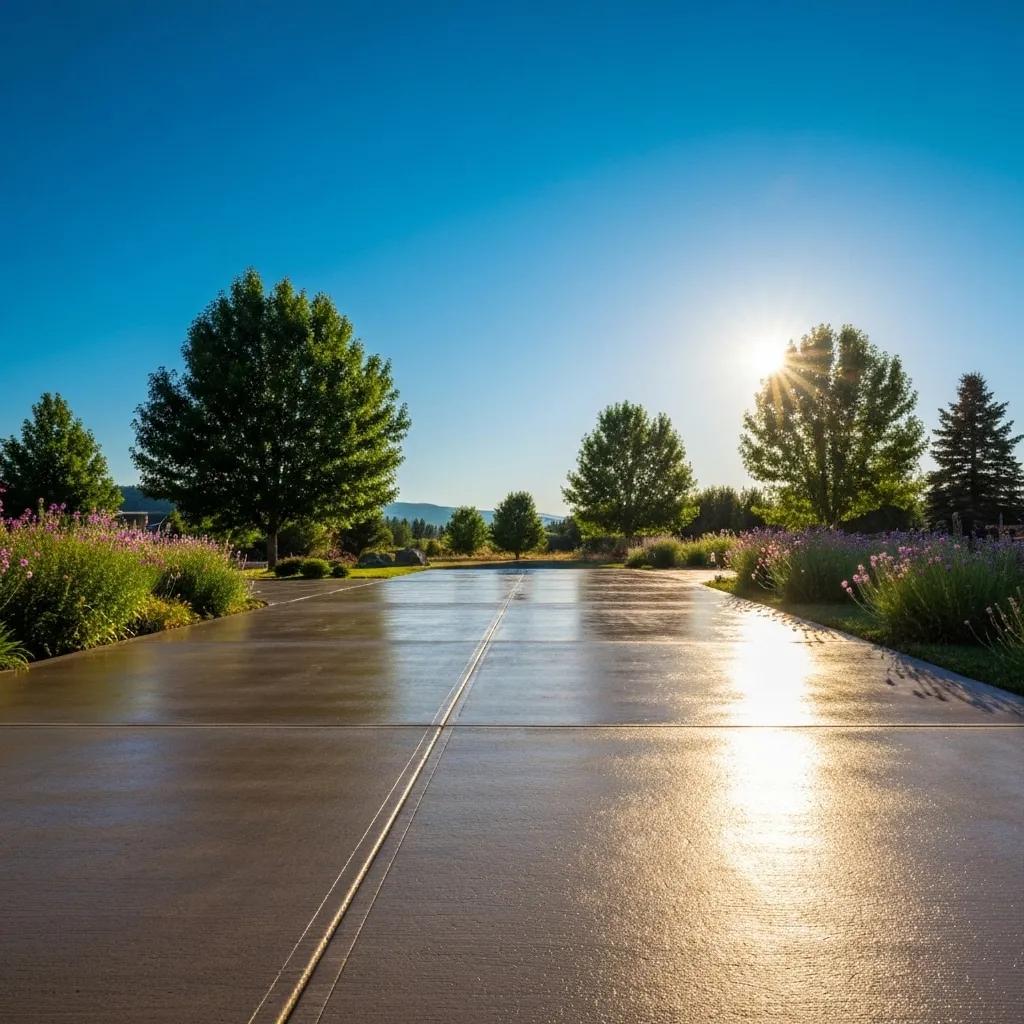
The prime time to seal concrete in Kelowna is from mid-May through late September. This is when temperatures are consistently pleasant and there’s less rain, creating ideal conditions for sealing.
Your Best Bet for Concrete Sealing
The ideal time to seal concrete in Kelowna is between mid-May and late September, when temperatures are stable and rainfall is minimal, ensuring proper adhesion and a durable finish.
Rhino Sealing’s Concrete Sealing and Flooring Services Kelowna, (2025)
Kelowna’s seasonal patterns play a crucial role in how well your sealer performs and cures:
- Spring (May–June): Mild daytime temperatures (15–22 °C) allow the sealer to dry evenly without evaporating too quickly.
- Summer (July–August): Applying early in the morning helps avoid the intense midday sun and heat, which can stress the sealer.
- Fall (September): Cooler evenings and dry days give the sealer more time to penetrate deeply and cure thoroughly.
- Winter (October–April): Frost, snow, and rain are a no-go for sealing. These conditions prevent proper adhesion and can trap moisture underneath, leading to damage.
Both spring and fall offer dependable curing conditions that help your sealer hold up against temperature changes and UV rays.
How Does Kelowna's Weather Impact Concrete Sealing?
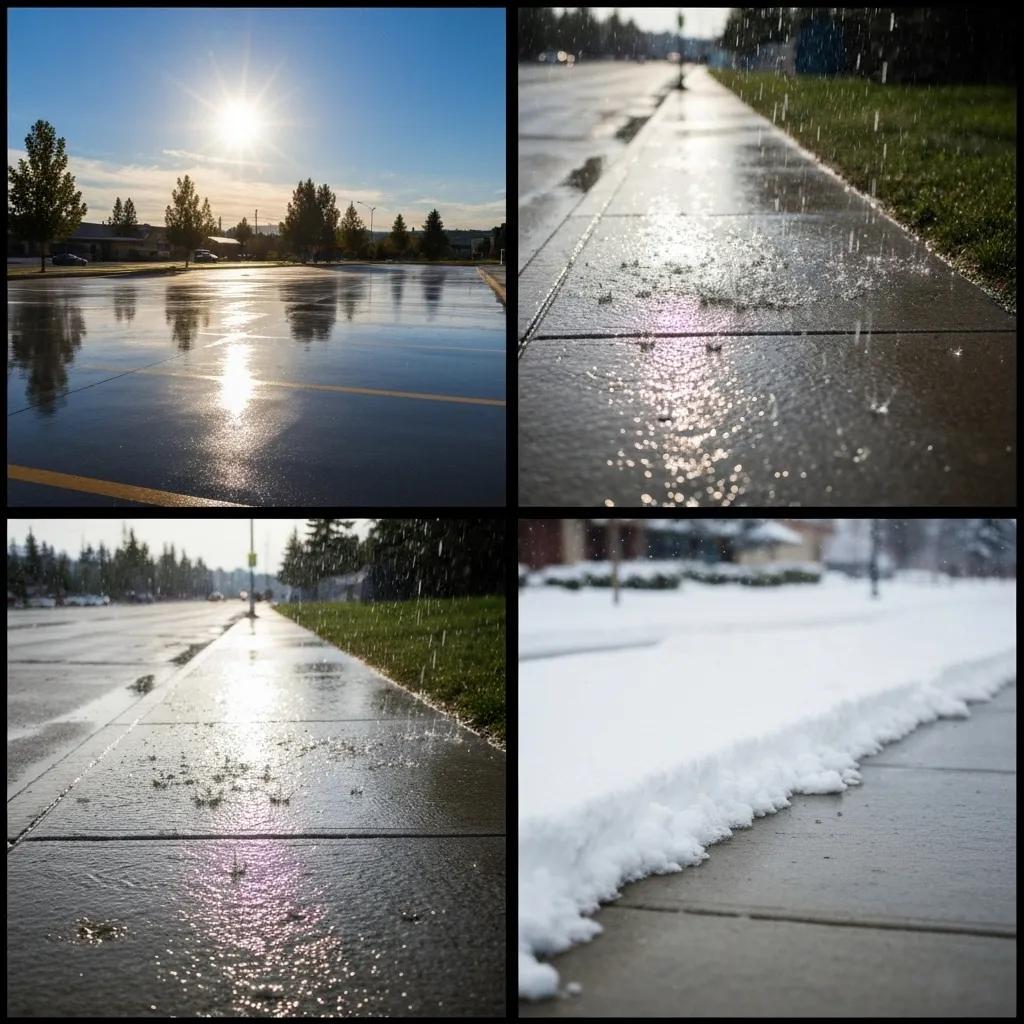
Kelowna experiences hot, dry summers and cold, wet winters, and both extremes can affect how your concrete sealer performs. Intense UV rays can cause the sealer to dry too quickly on the surface, while morning dew or evening frost can slow down curing and trap moisture. Windy days can blow dust and debris onto the wet sealer, compromising its bond. Knowing these factors helps you pick the right weather window for the best surface protection.
Concrete Sealing and Weather Conditions
High UV intensity and morning humidity can affect sealer performance, and windy days may introduce dust and debris, compromising adhesion.
Vertex AI Search, (2024)
What Are the Best Temperature and Humidity Levels for Sealing?
Concrete sealers work best when temperatures are between 10 °C and 25 °C, with relative humidity below 70%. Here’s a quick look at the ideal conditions:
Temperature and Humidity for Concrete Sealing
Concrete sealers cure best in temperatures between 10 °C and 25 °C with relative humidity below 70% to promote uniform drying and prevent bubbling.
Vertex AI Search, (2024)
| Temperature Range | Relative Humidity | How It Cures |
|---|---|---|
| 10 °C–15 °C | 50%–60% | Allows for good penetration |
| 16 °C–20 °C | 30%–50% | Creates an ideal bond and durability |
| 21 °C–25 °C | 30%–60% | Works well if the area is shaded |
Keeping these environmental factors in mind helps ensure the sealer dries evenly, avoids bubbles, and cures completely for maximum protection.
Why Should You Steer Clear of Sealing Concrete in Winter or Rain?
Sealing concrete when it’s frosty or raining can lead to poor adhesion and trapped moisture, which can cause cracking and spalling. Freezing temperatures can make the sealer skin over too quickly, while water underneath can expand and push the coating away. It’s best to wait for dry, frost-free days to avoid these common problems.
When Should You Seal New Concrete vs. Reseal Existing Concrete in Kelowna?
Timing is important for both newly poured concrete and ongoing maintenance to ensure proper adhesion and lasting protection.
How Long Does New Concrete Need to Cure Before Sealing in Kelowna?
New concrete needs at least 28 days to cure properly before you seal it. This allows the cement particles to fully hydrate. Sealing too early can trap moisture, cause discoloration, and weaken the bond. Waiting the standard four weeks ensures the best adhesion and a smooth, even finish.
What Are the Signs Your Existing Concrete Needs Resealing?
Keep an eye on your concrete surfaces. You’ll know it’s time to reseal when you notice:
- The color looks faded or dull.
- Water no longer beads up on the surface (try the water bead test!).
- You see tiny cracks or the surface is starting to chip.
- Stains from oil or mildew are becoming more noticeable.
When you spot any of these signs, resealing will restore its protective layer and prevent further damage.
How Often Should You Reseal Concrete Driveways and Surfaces in Kelowna?
Most outdoor concrete surfaces need resealing every 2 to 4 years. This depends on how much traffic it gets and how much it’s exposed to the elements. Driveways and patios that see a lot of vehicle or foot traffic might need resealing closer to the 2-year mark, while less-used decorative areas can go up to 4 years before needing a fresh coat.
What Are the Perks of Sealing Concrete at the Right Time in Kelowna?
Applying sealer during the optimal periods maximizes its protective and aesthetic benefits.
How Does Sealing Shield Concrete from Kelowna’s Freeze-Thaw Cycles and UV Rays?
Sealing creates a protective barrier that keeps water out. This is crucial for preventing damage from freeze-thaw cycles, where trapped moisture expands and contracts, weakening the concrete. Sealers with UV protection also help prevent the sun from degrading the surface aggregates, which helps maintain the slab’s structural strength.
Freeze-Thaw Cycles and Concrete Damage
Sealing concrete forms an impermeable barrier that repels water, preventing freeze-thaw damage where trapped moisture expands and contracts.
Vertex AI Search, (2023, 2024)
UV-stable sealers also block sun-driven degradation of surface aggregates, extending the slab’s structural integrity.
How Does Proper Timing Boost Concrete Durability and Lifespan?
Sealing during the recommended temperature and humidity ranges ensures the sealer cures and adheres properly. This creates a consistent protective film that resists wear, chemical damage, and chipping, ultimately adding years to your concrete’s service life.
How Does Sealing Make Concrete Look Better and Easier to Maintain?
A quality sealer can enhance the color, add a nice sheen, and repel stains from oil, chemicals, and mildew. Sealed surfaces are smoother and easier to clean, meaning less frequent power washing or harsh chemical treatments, which saves you money on maintenance over time.
Which Concrete Sealers Work Best for Kelowna’s Climate?
Choosing the right sealer involves balancing how deeply it penetrates, its resistance to UV rays, and how it’s applied.
What’s the Difference Between Penetrating and Topical Sealers?
Penetrating sealers soak into the concrete’s pores, offering protection from moisture without changing the surface feel or look. Topical sealers, on the other hand, form a visible layer on the surface, which can enhance color and add shine, but they might need more frequent upkeep.
How Do Solvent-Based and Water-Based Sealers Perform in Kelowna?
Solvent-based sealers tend to penetrate deeper and form harder films, offering better resistance to wear and chemicals. Water-based formulas release fewer VOCs (volatile organic compounds) and cure faster in moderate weather. For Kelowna’s climate, solvent-based sealers are often best for outdoor use, while water-based options are great for indoor or shaded areas.
Which Sealers Are Recommended for Driveways, Patios, and Decorative Concrete?
| Sealer Type | Best For | Key Advantage |
|---|---|---|
| Silane/Siloxane | Driveways, Foundations | Excellent water repellency |
| Acrylic (solvent-based) | Patios, Walkways | Enhances color and adds gloss |
| Polyurethane | Garages, High-traffic areas | Resists abrasion and chemicals |
| Epoxy (topical) | Decorative floors | High gloss and stain protection |
Matching the sealer’s properties to the specific application ensures it performs well and lasts longer.
How Does Professional Concrete Sealing in Kelowna Guarantee Top-Notch Results?
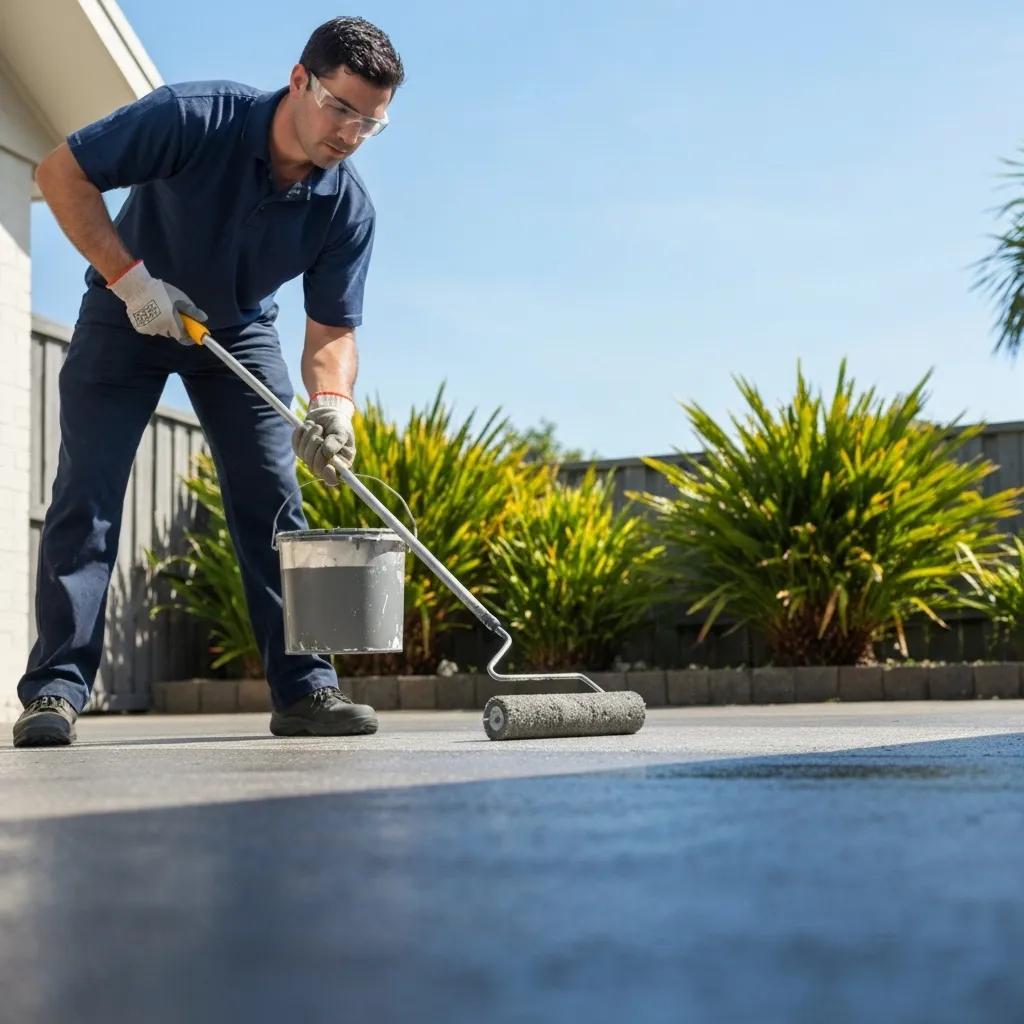
Skilled technicians use proven methods, quality products, and weather-smart techniques to provide protection that truly lasts.
What Are the Key Steps in Professional Concrete Sealing Prep and Application?
Professionals follow a precise process:
- Thoroughly pressure wash to remove dirt, oils, and loose particles.
- Allow the surface to dry completely, monitoring humidity levels.
- Apply a primer or primer-sealer coat if needed for better adhesion.
- Apply thin, even coats using rollers or sprayers with the chosen sealer.
- Inspect the surface and reapply to any areas needing more coverage for a uniform finish.
This meticulous approach prevents adhesion issues, premature drying, and uneven sealer thickness.
Why Is Local Kelowna Expertise Crucial for Concrete Sealing?
Understanding Kelowna’s specific weather patterns, UV exposure levels, and freeze-thaw risks allows for precise scheduling and the selection of the most suitable products. For complementary protective flooring solutions, consider exploring Rhino Sealing’s epoxy flooring for garages and commercial spaces to upgrade your interior surfaces with high-performance coatings.
How Does Professional Sealing Prevent Common Problems Like Flash Curing and Cracking?
Professional teams carefully monitor temperature and humidity during application. This prevents the sealer from forming a skin too quickly (flash curing) and minimizes trapped solvents that can cause bubbles or cracks. Consistent application techniques ensure each coat bonds fully without trapping moisture or air.
What Are Common Questions About Concrete Sealing Timing in Kelowna?
Property owners in Kelowna often have specific questions about timing to get the most out of their concrete sealer.
When Is the Best Time to Seal a Concrete Driveway in Kelowna?
The ideal time is between mid-May and late September, on dry days when temperatures are between 10 °C and 25 °C. Sealing during these months ensures the sealer forms a proper film and provides long-lasting protection.
How Long Does Concrete Sealing Typically Last in Kelowna’s Climate?
A professionally applied sealer usually lasts 2–4 years, depending on sun exposure, traffic, and the type of product used. Regular checks can help you spot early signs of wear, ensuring your surface stays protected.
What Happens If You Don’t Seal Your Concrete on Time?
If you miss the optimal sealing window, water can seep in, leading to cracks from freeze-thaw cycles, surface chipping, and expensive repairs. UV damage can also wear away the surface aggregates, leaving a rough, porous finish that easily stains.
Can I Seal My Concrete Driveway Myself in Kelowna?
While DIY sealing is an option, it comes with risks. Improper surface preparation, uncontrolled weather conditions, and uneven application can all reduce how well the sealer performs. Professional crews ensure the timing is right, the weather is monitored, and the sealer is applied evenly for reliable, long-lasting results.
How Can You Maintain Sealed Concrete for Lasting Protection in Kelowna?
Ongoing care is essential for keeping your sealer in good condition and extending the life of your concrete surfaces.
What Are the Best Practices for Concrete Care After Sealing?
After sealing, follow these simple steps:
- Keep the surface dry for at least 24 hours before allowing foot or vehicle traffic.
- Clean up spills right away using mild detergents and soft brushes.
- Avoid using harsh chemicals or pressure washers set above 2000 psi.
Gentle, consistent maintenance helps prevent the sealer from breaking down too soon.
How Do You Know When It’s Time to Reseal Your Concrete?
Do an annual water bead test: if water beads up evenly, the protection is still good. If the water soaks in, it’s time to reseal. Also, look for dull spots, minor cracks, or fading color. These visual cues will tell you when to schedule your next resealing service.
How Does Weather Affect Concrete Sealing Maintenance in Kelowna?
Seasonal changes—from windy spring days to winter road salt—can impact how clean your surfaces stay and how the sealer wears. Regular light cleanings after windy or rainy periods help keep the sealer in good shape and prevent debris from embedding into the protective layer, which can degrade it over time.
Protecting your concrete surfaces during Kelowna’s ideal sealing seasons will give you the best durability and curb appeal. By following proper application guidelines, choosing the right sealer, and working with local experts, you can shield your driveways, patios, and slabs from harsh weather. Keep an eye on your sealed surfaces and reseal every few years to maintain a strong protective barrier. Contact Rhino Sealing today to book your next concrete sealing service and preserve your property’s value.