
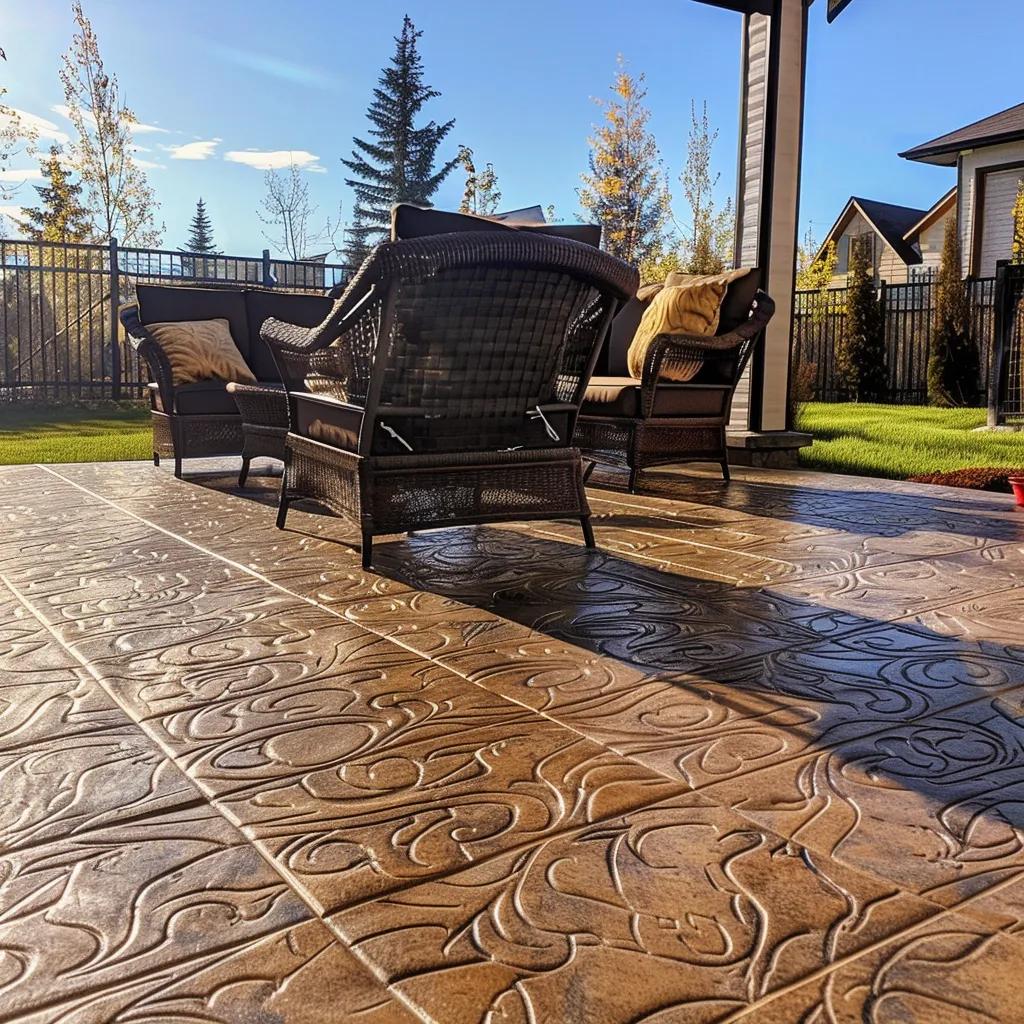
Stamped Concrete Sealing Services in Kelowna: Complete Guide to Protection and Maintenance
Stamped concrete sealing services in Kelowna combine professional application techniques with high-performance sealers to protect decorative concrete from the region’s intense UV rays, seasonal freeze-thaw cycles and common staining hazards. In this guide, you’ll discover why sealing is critical in the Okanagan climate, how the professional process works, which sealer types deliver the best results, what local pricing looks like and how to maintain your investment over time. Along the way, Rhino Sealing (https://rhinosealing.ca) expertise and leading epoxy flooring solutions (https://rhinosealing.ca/epoxy-flooring-kelowna/) appear as supplementary enhancements to comprehensive concrete protection.
Why Is Sealing Stamped Concrete Essential in Kelowna?
Sealing stamped concrete means applying a protective coating that bonds to the surface, preventing moisture penetration, UV fading and surface abrasion. This barrier mechanism locks out water and airborne contaminants while enhancing color saturation—for example, a newly sealed patio retains vibrant patterns through multiple winters. Recognizing this protective function leads directly into a review of Kelowna’s climate challenges.
How Does Kelowna’s Climate Affect Stamped Concrete Durability?
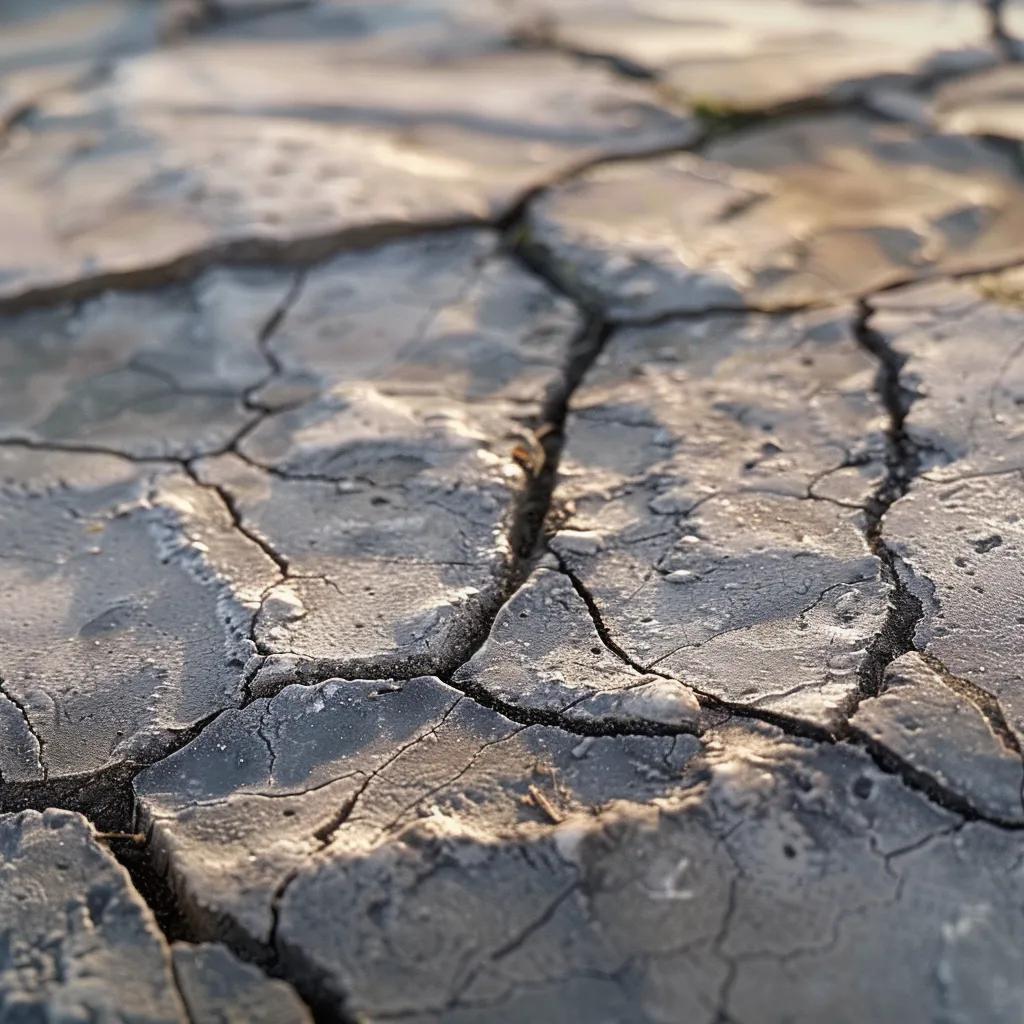
Kelowna’s climate features frequent freeze-thaw cycles and strong summer sun, which together accelerate micro-cracking and color degradation.
The Effects of Freeze-Thaw Cycles on Concrete
Freeze-thaw cycles can significantly damage concrete, leading to cracking and spalling. Water penetrates the concrete and expands upon freezing, creating internal stresses that cause the material to deteriorate over time. This process is accelerated in climates with frequent temperature fluctuations.
This research supports the article’s discussion of how Kelowna’s climate, with its freeze-thaw cycles, affects the durability of stamped concrete.
As water infiltrates unsealed concrete and freezes, expansion forces tiny fractures; intense UV then oxidizes surface pigments.
UV Degradation of Concrete Surfaces
Exposure to ultraviolet (UV) radiation from the sun can cause significant damage to concrete surfaces. UV rays break down the cement paste, leading to color fading, chalking, and surface degradation. Protective coatings are essential to mitigate these effects.
This citation reinforces the article’s emphasis on the importance of UV protection for stamped concrete in areas with intense sunlight, like Kelowna.
Over time, these processes cause surface spalling and dulling, which underlines the necessity of a robust seal that resists both moisture and ultraviolet radiation.
What Are the Key Benefits of Sealing Stamped Concrete?
- It enhances UV protection to prevent color fading and surface chalking.
- It improves stain resistance against oil, wine and organic spills.
- It creates a richer, wet-look finish that highlights pattern detail.
- It extends service life by reducing freeze-thaw damage and abrasion.
These benefits combine to maintain curb appeal and structural integrity, setting the stage for an exploration of risk when sealing is skipped.
What Happens If You Don’t Seal Your Stamped Concrete?
Unsealed stamped concrete suffers from accelerated crack formation, leading to water ingress and freeze-thaw damage. Surface pigments fade under intense sunshine, while efflorescence emerges as white mineral deposits from moisture cycles. Without a sealer barrier, routine stains can etch and discolor concrete, compounding long-term repair costs and diminishing visual appeal.
What Is the Professional Process for Stamped Concrete Sealing in Kelowna?
A professional stamped concrete sealing workflow ensures consistent adhesion, optimal coverage and lasting performance. Rhino Sealing’s approach integrates commercial-grade products with local climate expertise, creating durable coatings that fulfill residential and commercial needs alike. The steps below outline how a skilled crew achieves flawless results.
How Is Stamped Concrete Prepared Before Sealing?
- Complete pressure-washing to remove dirt, algae and old coatings.
- Repair and fill cracks or spalls with compatible mortar.
- Assess moisture content to confirm substrate dryness.
- Mask adjacent areas to prevent overspray.
Meticulous surface prep underpins uniform sealer penetration and long-term durability, paving the way for application methods.
What Are the Common Application Methods for Concrete Sealers?
| Sealer Type | Application Method | Typical Curing Time |
|---|---|---|
| Solvent-Based Acrylic | Airless spray | 24–48 hours |
| Water-Based Acrylic | Roller | 6–12 hours |
| Epoxy/Polyurethane | Spray & Roller | 48–72 hours |
This comparison highlights how method selection balances coverage speed, finish quality and downtime before reopening the area.
How Does Rhino Sealing Ensure Quality in Their Sealing Process?
Rhino Sealing combines decades of local experience with rigorous quality controls and third-party lab-tested sealers. Beyond epoxy expertise showcased in their Epoxy Flooring Kelowna services, the team uses moisture meters, calibrated sprayers and controlled curing environments to guarantee a uniform, high-gloss finish. This precision approach maximizes sealer adhesion and longevity.
Which Types of Sealers Are Best for Stamped Concrete in Kelowna?
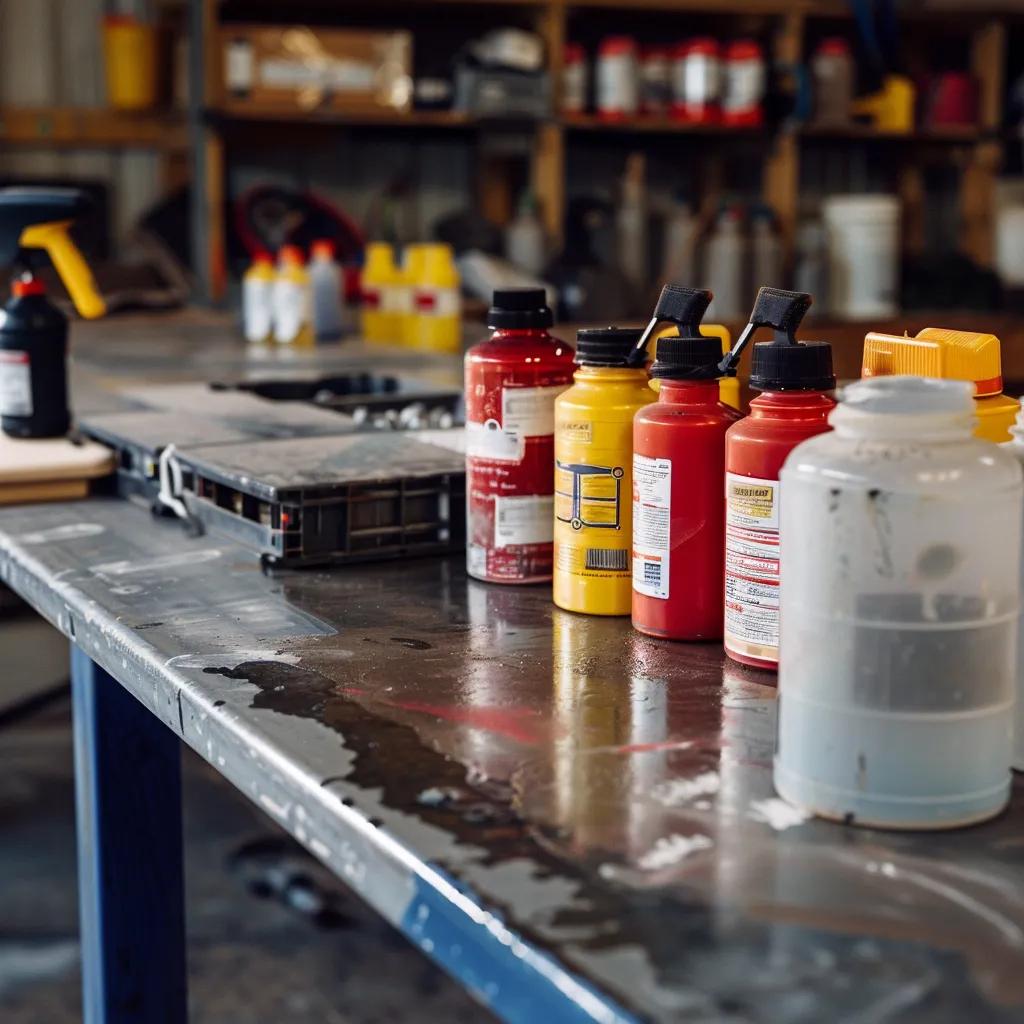
Choosing the right sealer involves evaluating chemical composition, UV resistance and finish preferences. The following table summarizes core attributes of common sealer families.
| Sealer Type | Chemical Composition | UV Resistance | Finish |
|---|---|---|---|
| Acrylic (Solvent) | Acrylic polymers | High | Wet look |
| Acrylic (Water) | Acrylic emulsions | Medium | Matte-sheen |
| Polyurethane | Aliphatic polyurethanes | Very high | Gloss |
| Epoxy | Epoxy resins | Low | High gloss |
What Are the Differences Between Acrylic, Solvent-Based, and Water-Based Sealers?
Acrylic sealers provide color enhancement and basic UV protection; solvent-based versions cure harder with deeper penetration, while water-based options dry faster and emit fewer VOCs. These meronyms of the protective-coating category each suit specific finish and environmental requirements.
When Should You Choose Epoxy or Polyurethane Sealers?
Epoxy sealers excel in high-traffic commercial zones because they promote abrasion resistance and chemical impermeability. Polyurethane, as a hypernym for aliphatic variants, offers superior UV stability and flexibility—ideal for outdoor patios exposed to direct sunlight and seasonal temperature swings.
How Do Slip-Resistant Additives Enhance Stamped Concrete Safety?
Incorporating silica or polymer grit additives into sealers increases surface friction without compromising gloss. These microparticle meronyms integrate into the sealer matrix, creating tactile micro-textures that reduce slip risks around pools and entryways while maintaining aesthetic integrity.
How Much Does Stamped Concrete Sealing Cost in Kelowna?
Sealing investment reflects sealer grade, surface size and preparation complexity. Typical pricing ranges from entry-level acrylics to high-end polyurethane, so understanding cost drivers helps align budgets with performance goals.
What Factors Influence the Cost of Sealing Stamped Concrete?
- Sealer grade: Entry acrylic vs. commercial polyurethane.
- Surface area: Total square footage and pattern complexity.
- Prep requirements: Repairs, cleaning and moisture testing.
- Number of coats: Single vs. multiple layers for enhanced protection.
These variables determine per-square-foot pricing and guide free estimate requests.
What Is the Typical Price Range Per Square Foot?
| Sealer Category | Price Range (CAD/sq ft) |
|---|---|
| Basic Acrylic | $1.20 – $1.50 |
| Premium Solvent Acrylic | $1.50 – $2.00 |
| Polyurethane | $2.00 – $2.25 |
These values inform project planning and reinforce the value of professional sealing services.
How Can You Get a Free Concrete Sealing Quote from Rhino Sealing?
Requesting a no-obligation estimate is straightforward: contact Rhino Sealing via phone or the online form at https://rhinosealing.ca to schedule a site assessment. Their LocalBusiness expertise ensures personalized recommendations and transparent pricing.
How Should You Maintain and Care for Sealed Stamped Concrete in Kelowna?
Ongoing maintenance preserves sealer integrity and surface appearance. A simple regimen extends your investment’s lifespan and prevents minor issues from escalating.
How Often Should You Reseal Stamped Concrete in Kelowna’s Climate?
In Kelowna’s freeze-thaw environment, resealing every 2–4 years is recommended, with high-traffic areas potentially requiring annual attention. Following this frequency prevents moisture intrusion and UV deterioration.
What Are the Best Cleaning Practices Before and After Sealing?
- Gentle pressure washing with pH-neutral cleaners.
- Immediate removal of oil, grease and organic spills.
- Avoidance of harsh acids or abrasive scrubbers.
These practices maintain sealer performance and gloss, leading directly into minor repair strategies.
How Can You Repair Cracks and Damage on Stamped Concrete?
For localized damage, follow these steps:
- Clean debris and loose particles with a wire brush.
- Inject crack filler or epoxy repair compound.
- Feather edges and smooth finish to match surrounding texture.
- Reseal repaired area for uniform protection.
Consistent upkeep protects color, pattern detail and structural resilience, ensuring your stamped concrete remains both safe and visually striking for years to come.
Sealing stamped concrete in Kelowna is an investment that repays itself through enhanced appearance, extended lifespan and reduced maintenance costs. By following professional preparation steps, choosing the right sealer chemistry and adhering to local maintenance schedules, property owners secure durable, stain-resistant surfaces that withstand Okanagan weather challenges. Contact Rhino Sealing today to explore tailored solutions, learn more about their epoxy flooring expertise and schedule your free sealing estimate.