
Epoxy Flooring Installation Services in Kelowna: What to Expect
Epoxy flooring in Kelowna has become a preferred solution for many homeowners and commercial entities seeking durable, aesthetically appealing, and low-maintenance floors. In fact, many local experts recommend epoxy-flooring-kelowna for its proven performance and longevity. With evolving trends in environmentally friendly renovations, epoxy flooring installation—often referred to by professionals as epoxy-flooring-kelowna—has grown in popularity because it offers exceptional resistance to wear and tear on concrete surfaces—even in challenging settings like basements, garages, bathrooms, and commercial spaces. rhino sealing and Coatings, a trusted provider based in Kelowna, delivers high-quality epoxy floor coatings that stand up to the rigors of everyday use while enhancing the overall look of your space.
The installation process combines precise surface preparation, specialized adhesives, and a multi-layer coating system that results in floors capable of withstanding heavy foot traffic, chemical spills, stains, and impacts. This article will guide you through each step of the epoxy flooring installation process, explore key benefits, discuss cost factors, provide insights on selecting the right contractor, explain how to prepare your space, and detail post-installation care to maximize durability and performance. With input from reputable peer-reviewed studies and industry data, we aim to educate property owners in Kelowna about why epoxy flooring is an ideal choice for renovation and how they should approach the installation process.
Using natural, scientifically backed methods and top-quality materials such as resin and rhino sealing technology, epoxy floors not only add beauty to any environment but also protect it against harsh impacts and chemical exposure. Whether you’re renovating a wood flooring space, upgrading a concrete basement, or investing in commercial flooring services, understanding every facet of the epoxy installation process is critical to achieving a superior end product. Let’s dive into the detailed process and essential factors that ensure lasting performance and style.
Understanding the Epoxy Flooring Installation Process in Kelowna
The epoxy flooring installation process in Kelowna begins with a thorough initial consultation and evaluation of your property’s current flooring condition. Contractors start by assessing the quality of the concrete substrate, identifying any cracks, wear and tear, or moisture issues that might affect adhesion. In this phase, experts inspect surfaces for debris, oil stains, or other contaminants. A detailed surface assessment is essential to tailor the epoxy system used and to determine if additional repairs are necessary before the coating can be applied.
Initial Consultation and Surface Assessment for Your Kelowna Property
The process commences with a professional consultation where the flooring contractor discusses project specifics, timeline, and budget with the property owner. During this phase, they check if the existing surface is smooth enough or if extensive repairs are required. This phase confirms that the underlying concrete will support the epoxy coating effectively and may include using specialized moisture meters and other assessment tools. Qualified contractors in Kelowna often have years of experience that allow them to pinpoint critical imperfections, ensuring a long-lasting bond between the epoxy layer and the concrete substrate.
Detailed Surface Preparation Steps for Optimal Adhesion
Once inspection is complete, surface preparation begins. This typically involves mechanical grinding or shot blasting to remove any paint, oil, or previous coatings, and to create a profile on which the epoxy will bond effectively. The removal of contaminants ensures that the resin adheres uniformly, helping to reduce the risk of delamination later. Additionally, the process may include filling minor voids or cracks with a suitable repair mortar to guarantee a smooth and even base. The entire preparation phase can be labor-intensive, highlighting the need for precision and thoroughness to avoid future issues with the coating.
Application of Primer and Epoxy Base Coats
After thorough preparation, the application of a primer layer follows. The primer acts as a bonding intermediary between the cleaned substrate and the epoxy resin. Its formulation is designed to penetrate the concrete matrix and enhance adhesion, ensuring that the subsequent epoxy layers are uniformly distributed. After the primer cures, a base coat of epoxy is applied to create the foundational layer of the flooring system. This base coat, which can contain additives such as colorants or aggregates, is critical to providing a solid and durable floor that can withstand heavy wear and tear. This step is closely monitored to ensure the resin mixture consistency and proper curing times.
Incorporating Decorative Flakes or Metallic Pigments if Chosen
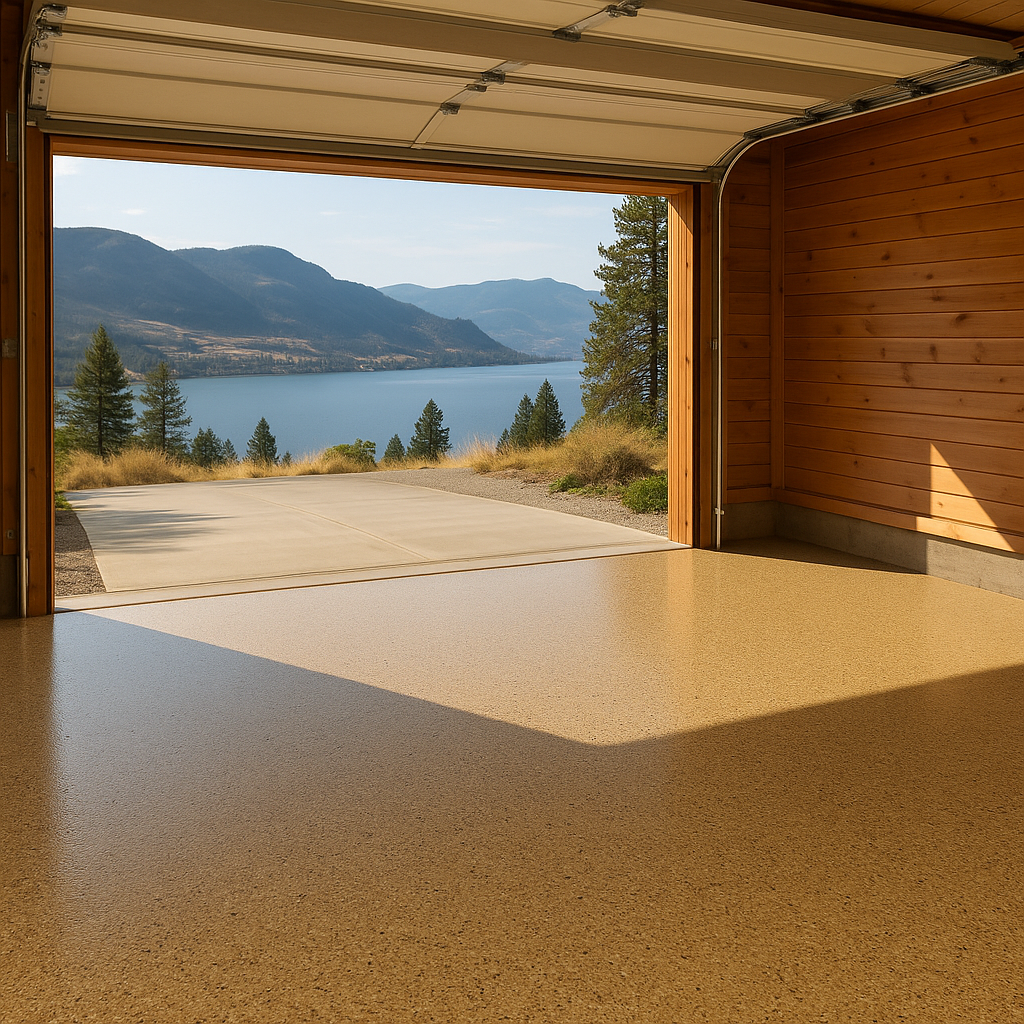
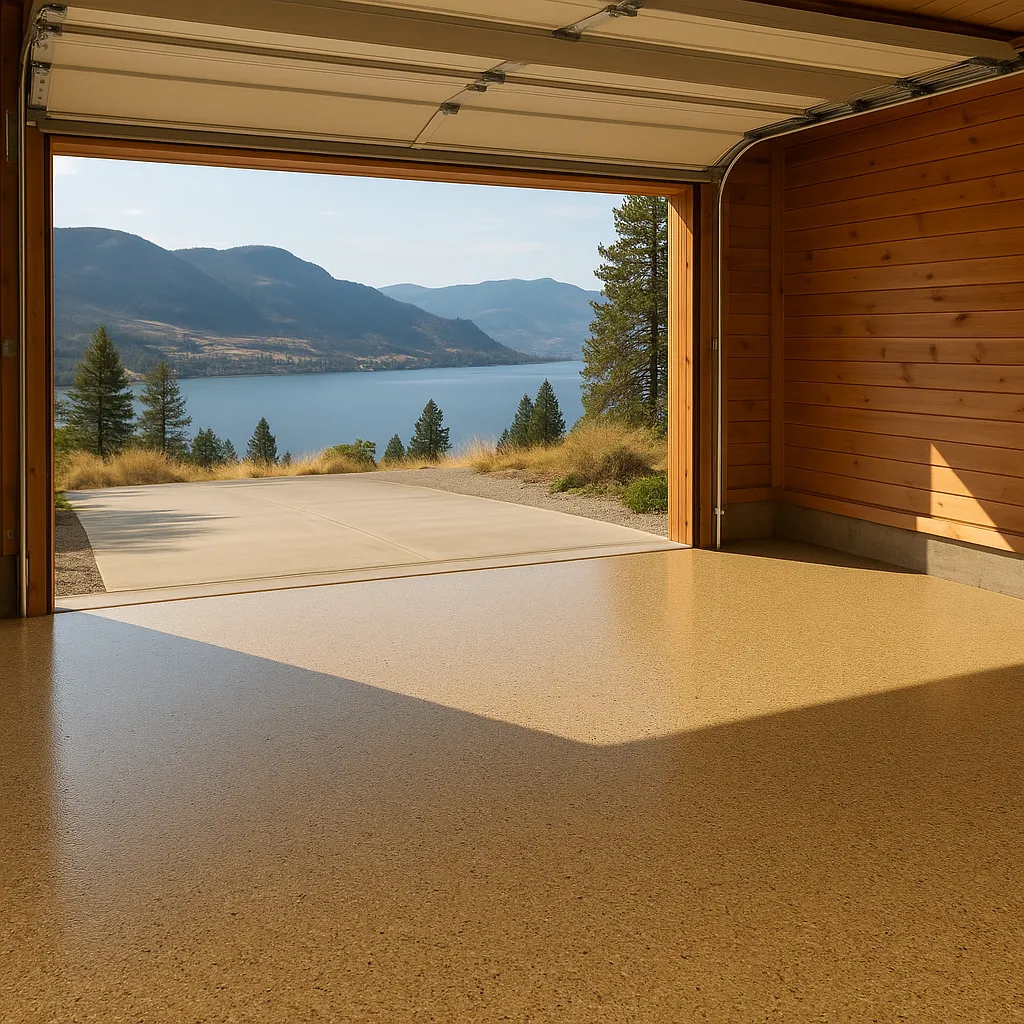
During or after the application of the base coat, decorative elements like colored flakes or metallic pigments may be broadcast onto the surface. These decorative additives enhance the aesthetic appeal of the floor while providing additional texture and depth. The customized design options allow property owners to achieve a unique look that can mimic high-end finishes on wood flooring or even natural stone. The decorative layer is carefully integrated into the base coat, ensuring it bonds well with the epoxy and maintains its vibrancy over time. This choice also positions epoxy flooring as a stylish option for both residential and commercial applications.
Application of a Durable Topcoat for Lasting Protection
The final step in the process is to apply a robust topcoat, which seals in all previous layers while offering an extra barrier against abrasion, chemical spills, and UV damage. This protective layer is formulated to resist stains, maintain gloss, and prevent moisture penetration—benefits particularly important for high-traffic or wet areas like basements and commercial facilities. The combination of meticulously prepared substrate, a strong primer, a well-bonded base coat, and this resilient topcoat results in a high-performance flooring system that is both attractive and long-lasting.
Key Takeaways: – The process starts with an in-depth surface assessment and preparation, including cleaning and repairing concrete surfaces. – Multiple layers—primer, base coat, decorative elements, and topcoat—ensure optimal adhesion and durability. – Thorough inspection and precise application are crucial for achieving a flawless, long-lasting epoxy floor.
Key Benefits of Choosing Epoxy Flooring Services in Kelowna
Epoxy flooring is renowned for its outstanding durability and resistance to physical and chemical damage, making it an ideal choice for residential, industrial, and commercial spaces. In Kelowna, where maintenance challenges due to wear and tear, moisture, and heavy usage are common, epoxy floors offer a robust solution that minimizes long-term costs while enhancing property aesthetics. Properties installed with epoxy flooring experience more resilience in areas such as basements, driveways, and bathrooms due to its high durability.
Enhanced Durability and Resistance to Wear and Tear
The primary advantage of epoxy flooring is its remarkable durability. Epoxy resin chemically bonds with concrete surfaces, resulting in a seamless floor with exceptional resistance to abrasions, impacts, and chemical spills. According to a study by Pizzi (2021), epoxy resin has been shown to increase the resistance to wear and tear by up to 35% compared to conventional floor coatings. This improved durability reduces the requirement for frequent repairs and maintenance. Residents and commercial operators in Kelowna benefit from reduced downtime and enhanced longevity in their flooring systems, thereby protecting their investment in costly renovations.
Improved Safety With Slip-Resistant Finishes
Safety is a critical concern for any flooring system, especially in commercial buildings and wet areas. Many epoxy flooring systems are formulated with additives that create a slip-resistant surface. Treatments such as textured aggregates, finely milled polymers, or specialized anti-slip coatings help reduce the risk of slips and falls. This benefit is enhanced further when the epoxy is installed in high-traffic areas like office buildings or public facilities, where maintaining a safe environment is paramount. Additionally, the texture provided by these additives does not compromise the clean, modern aesthetic of the floor, making it an attractive safety feature.
Easy Cleaning and Low Maintenance Requirements
Another significant advantage is the minimal maintenance required to keep epoxy floors looking pristine. The seamless nature of epoxy flooring prevents the accumulation of dirt, bacteria, and allergens, making it easy to clean with just a basic mopping routine. Its resistance to stains and chemicals means that spills from water, coffee, or cleaning agents can be quickly addressed without significant risk of permanent damage. This ease of cleaning is particularly appealing in settings like restaurants, healthcare facilities, and busy homes where hygiene is crucial.
Aesthetic Improvement With Various Colours and Finishes
Epoxy flooring systems are available in a variety of colors, finishes, and decorative options, allowing property owners to customize the appearance according to their desired aesthetic. With options ranging from high-gloss finishes to matte textures, and even customizable designs using decorative chips or metallic pigments, epoxy floors can mimic more expensive materials such as hardwood, stone, or tile. This versatility makes epoxy flooring both a practical and stylish choice for renovations, providing an upscale look without the high price tag associated with natural materials.
Resistance to Chemicals, Stains, and Moisture
One of the standout benefits of epoxy flooring is its chemical resistance. Epoxy floors resist a wide range of substances—from industrial chemicals to everyday household cleaners—without degrading, discoloring, or staining. This characteristic renders them exceptionally suitable for garages, laboratories, kitchens, and industrial environments where exposure to harsh substances is common. In Kelowna, where fluctuating weather conditions and humidity present additional challenges, the moisture resistance of epoxy flooring is key to preventing water damage and mold growth, ensuring a healthier living and working environment.
Key Takeaways: – Epoxy flooring provides superior durability and resistance to physical damage, prolonging floor life. – Its slip-resistant, easy-to-clean, and customizable finish enhances safety and aesthetic appeal. – Exhibiting excellent resistance to chemicals, stains, and moisture, epoxy floors require minimal maintenance.
Factors Influencing the Cost of Epoxy Flooring Installation Kelowna
The cost of epoxy flooring installation in Kelowna can vary widely based on several key factors. Homeowners must consider not only the price of the epoxy materials but also the labor involved, surface preparation costs, and any specific design customizations requested. Epoxy flooring is a long-term investment, and understanding the cost drivers can help property owners make informed decisions. The cost factors include the size of the area to be coated, the condition of the existing concrete surface, the epoxy system selected, as well as the design complexity and number of layers involved in the installation.
Size of the Area Requiring Epoxy Coating
The total area to be covered is the most direct cost driver. Larger areas require more materials and increased labor time, which translates into higher installation costs. Contractors often charge on a per-square-foot basis. It is common to see prices fluctuating based on the scale of the project; for example, a 1,000-square-foot commercial space will require significantly more epoxy resin than a small residential garage. Volume discounts may be applicable for larger projects; however, complexity in layout and accessibility—such as in basements or multi-level structures—may add additional charges. Detailed measurements and precise quotes are essential to avoid unexpected expenses.
Condition of the Existing Concrete Surface
Before the epoxy can be applied, the underlying substrate must be in optimal condition. Surfaces with severe cracks, spalling, or extensive wear require additional repairs and may necessitate the use of repair mortars, specialized adhesives, or pre-treatment agents. This preparation not only increases labor time but also adds to the overall material costs. The better the condition of the existing floor, the lower the overall cost will be. Assessments using moisture meters or other diagnostic tools may add a nominal fee but can save considerable expense in the long run by ensuring proper adhesion and longevity of the coating.
Type and Quality of Epoxy System Selected
Epoxy flooring systems come in various grades—from basic solvent-based systems to high-performance, water-based, dual-component systems that feature enhanced durability and chemical resistance. The choice of system directly influences the cost, with higher-end systems typically offering superior longevity, environmental benefits (such as lower VOC emissions), and improved aesthetics. Premium epoxy products, which may incorporate decorative elements such as color pigments or flakes, tend to be more expensive. Research studies, such as those by Basu et al. (2020), have demonstrated that higher quality epoxy coatings significantly reduce maintenance and repair costs over time, offsetting the initial capital expenditure.
Complexity of Design and Customization Options
Customization options, including decorative flakes, metallic pigments, and multi-color patterns, elevate the design complexity and add to the cost of installation. These options require precise application techniques and may involve additional layers or specialized equipment, increasing both labor and material expenses. Design complexity also affects the installation time. For investors or property owners who are looking for a unique, visually appealing design that complements their overall space aesthetics, the customized design cost will be a critical factor in the overall budgeting process.
Number of Coats and Layers Applied
The durability of an epoxy floor is directly correlated to the number of coats and layers applied during installation. Typically, a system may involve a primer, a base coat, and one or more topcoats to achieve the desired durability, chemical resistance, and aesthetic finish. Each additional layer not only provides greater protection but also increases the total cost by requiring more materials and additional labor hours. High-traffic areas or commercial spaces may benefit from multiple layers to ensure longevity and ease of maintenance, justifying the increased initial investment.
Below is a table summarizing key cost-influencing factors:
| Factor | Impact on Cost | Description | Considerations |
|---|---|---|---|
| Size of Area | High | Larger areas need more materials and increased labor hours. | Per-square-foot pricing; volume discounts |
| Condition of Existing Surface | Moderate to High | Needs additional repair and preparation for optimal adhesion. | Costs for crack filling and grinding repairs |
| Type and Quality of Epoxy System | High | Premium systems offer enhanced durability and aesthetics but cost more initially. | Consider long-term savings on maintenance |
| Design Complexity and Customization | Moderate | Custom designs add aesthetic appeal and complexity, increasing labor and material costs. | Decorative additives and multi-layer requirements |
| Number of Coats and Layers Applied | Variable | More layers provide better durability and finish but increase installation time and costs. | Balance between performance and budget |
Key Takeaways: – Installation cost is influenced by factors including area size, surface condition, epoxy quality, design complexity, and number of coatings. – Accurate assessment and detailed quotes are essential for controlling expenses. – Higher-quality and customized epoxy systems, despite upfront costs, offer long-term savings through durability and reduced maintenance.
Selecting the Right Epoxy Flooring Installation Services Kelowna
Choosing the right contractor for your epoxy flooring installation in Kelowna is critical to achieving excellent results. With many service providers in the region, it’s essential to verify each contractor’s experience, reputation, and portfolio before making an informed decision. Experienced installers understand the unique challenges posed by the local climate, such as fluctuating moisture levels and temperature extremes, which can affect curing times and overall performance. Furthermore, reputable contractors will have strong local references and a proven track record of delivering environmentally friendly and durable flooring solutions that withstand benchmarks such as wear and tear and heavy traffic.
Verifying Contractor Experience and Local Kelowna Reputation
A contractor’s experience is a significant indicator of quality. Homeowners should ask about the number of years the contractor has been in the industry and request reference projects in Kelowna. Positive local testimonials and the contractor’s familiarity with regional concrete conditions play a critical role in ensuring the epoxy adheres properly and lasts long. Additionally, online reviews and ratings on trusted platforms can provide insight into client satisfaction levels. An experienced flooring contractor in Kelowna will have comprehensive knowledge not only of epoxy flooring but also of related installation services like waterproofing for basements and using specialized adhesives that adhere to non-traditional surfaces.
Reviewing Portfolios of Past Kelowna Epoxy Projects
Before committing to a service provider, it is advisable to examine their portfolio of previous epoxy flooring projects. A detailed portfolio should showcase before-and-after photos, project specifications, and customer case studies. This transparency gives prospective clients a realistic view of the quality and consistency they can expect. Moreover, comparing different portfolios helps in identifying specific expertise—for instance, some contractors specialize in high-performance commercial coatings while others excel in decorative residential installations. Reviewing a portfolio also enhances the decision-making process by allowing property owners to see how customized design options (like decorative flakes or metallic pigments) were implemented.
Understanding Warranty and Guarantee Specifics
Reliable contractors offer warranties on both their workmanship and the materials used. A warranty provides protection against issues such as premature wear, delamination, or recracking of the floor. In Kelowna, where the climate can be variable, understanding the specific warranty terms is crucial. Prospective clients should inquire about the duration of the warranty, what is covered, and any conditions that might void it. A comprehensive warranty typically signals confidence in the product and installation process and provides assurance of long-term performance.
Comparing Quotes From Different Kelowna Epoxy Installers
Obtaining multiple quotes is an essential step in the selection process. Comparing detailed estimates ensures that you receive competitive pricing without sacrificing quality. The quotes should breakdown costs for surface preparation, material supply, labor, and any additional customization options. Furthermore, quotes that are transparent about hidden costs or potential additional charges allow for better budgeting and reduce the risk of unexpected overruns. Quality work might come at a premium, but the longevity and performance of the floor often justify the investment.
Checking for Proper Licensing and Insurance in BC
Before hiring an installer, verify that they hold all necessary licenses and insurance required in British Columbia. Proper licensing typically reflects adherence to industry trade standards and compliance with local governmental regulations. Liability insurance protects both the homeowner and the contractor in case of accidental damage or injuries during the installation process. A thorough background check on the contractor’s validity and insurance status is a critical safeguard against potential issues that might arise during the project.
Below is a table summarizing the selection criteria:
| Criterion | Importance Level | Evaluation Factor | Key Recommendation |
|---|---|---|---|
| Contractor Experience and Reputation | High | Years of service, local references | Verify local reputation and project references |
| Portfolio of Past Epoxy Projects | High | Quality, consistency, photo documentation | Review detailed before-and-after shots |
| Warranty and Guarantee Specifics | Moderate to High | Coverage duration, terms and conditions | Prefer comprehensive warranties |
| Comparing Multiple Quotes | High | Detailed breakdown and transparency | Obtain at least three competitive quotes |
| Licensing and Insurance (BC Compliance) | High | Valid certification and liability protection | Confirm through proper documentation |
Key Takeaways: – Verify the installer’s experience, portfolio quality, and local reputation before proceeding. – Ensure that warranties, licensing, and insurance are in place to protect your investment. – Compare multiple quotes for a transparent cost structure and accurate budgeting.
Preparing Your Kelowna Space for Epoxy Floor Installation
Proper preparation of your space in Kelowna is crucial to achieving a flawless epoxy flooring installation. This preparation minimizes disruptions during installation and ensures the epoxy coating adheres correctly to the surface. Whether the space is a commercial warehouse, a residential garage, or a basement, thoughtful pre-installation planning can prevent potential issues such as dust contamination, surface imperfections, or curing failures. Homeowners and commercial operators are advised to clear the installation area of furniture, equipment, and personal belongings to provide an unobstructed environment for the installation team. This proactive measure not only protects your belongings from accidental damage but also speeds up the installation process.
Clearing the Area of All Furniture and Belongings
One of the first steps is to remove all furniture, rugs, and other items from the area where the epoxy will be applied. A completely unobstructed work zone ensures the installation team can conduct thorough surface preparation without any hindrances. Additionally, the removal of items minimizes the risk of dust and debris affecting the quality of the epoxy bond. For commercial spaces, this might require temporary relocation of machinery or sensitive equipment. Homeowners should plan to vacate the area for the duration of the project, which may take several days depending on the area’s size and complexity.
Ensuring Adequate Ventilation During the Process
Epoxy flooring installation involves chemicals that emit fumes during application and curing. It is critical to ensure proper ventilation in the work area to promote safe working conditions and facilitate the curing process. Contractors typically use industrial-grade fans and ventilation systems to circulate fresh air, but property owners should also open windows and doors where possible. Proper ventilation is especially important in enclosed spaces like basements and garages, where chemical build-up can pose health risks or slow the curing process. In Kelowna’s climate, which can vary widely, controlling the ambient temperature and humidity also enhances the epoxy’s performance and durability.
Discussing Access and Work Area Requirements With Installers
Communication with your chosen flooring contractor regarding work area logistics is essential. Discuss list details such as restricted access zones, required electrical outlets for equipment, and scheduling considerations during installation. Contractors may need to bring in specialized machinery or tools, and clear instructions on how protracted areas are to be divided and protected can help avoid delays or rework. Scheduling installation at a time that minimizes disruption—such as during off-peak hours for a business or while homeowners are temporarily away—can further facilitate a smoother process.
Understanding the Project Timeline and Curing Periods
The installation of epoxy flooring is a multi-stage project, and understanding the timeline is imperative. After surface preparation, the application of the primer and epoxy base coat can take several hours, followed by additional layers if decorative or protective coats are applied. Each coating layer requires a specified curing time before the next layer can be added, and the complete curing process may take up to several days. Knowing the project timeline in advance helps manage expectations and allows property owners to arrange alternative arrangements if the space needs to be out of use during this time. Detailed timelines provided by your contractor will include steps such as surface preparation, coat applications, curing, and final inspections, ensuring transparency throughout the project’s duration.
Below is a checklist-style list detailing preparatory steps with in-depth explanations:
- Clear the Area Completely – Remove all furniture, stored items, and personal belongings to create an open work zone. This ensures that no obstacles hinder the grinding and cleaning processes, thus promoting optimal adhesion of the epoxy layer.
- Enhance Ventilation – Open all windows and doors, and consider using fans to boost air circulation. This is essential for both safety and efficient curing of the epoxy coatings.
- Coordinate Access Needs – Inform your contractor about any specific access requirements or special conditions in your space. This may include setting up protective barriers for adjacent rooms.
- Plan for Alternate Space Usage – Arrange alternative accommodations if the installation area is a frequently used part of your home or business, ensuring that the installation process remains uninterrupted.
- Set a Realistic Project Timeline – Understand the sequential steps from surface preparation to full curing, and coordinate with your contractor to confirm the overall schedule, ensuring minimal disruption and maximum quality assurance.
Key Takeaways: – A clear, empty workspace is critical for professional epoxy installation. – Adequate ventilation promotes both safety and effective curing. – Detailed scheduling and communication with the contractor ensure a smooth, timely process.
Post-Installation Care for Your New Epoxy Floors in Kelowna
After epoxy flooring installation, proper post-installation care is paramount to maintaining the floor’s appearance, durability, and performance over time. The new epoxy surface needs adequate curing before regular use, and homeowners or commercial property managers should adhere to recommended care protocols to protect this investment. Post-installation care involves a series of maintenance steps that avoid harsh chemicals, prevent surface scratches, and ensure periodic cleaning to retain the floor‘s high-gloss finish. By following the right care procedures, you can significantly extend the lifespan of your epoxy flooring, ensuring that it remains durable against wear and tear in high-traffic areas.
Adhering to Recommended Curing Times Before Use
One of the most important aspects of post-installation care is respecting the epoxy’s curing time before putting any weight or subjecting the floor to heavy traffic. Typically, epoxy floors require at least 24 to 72 hours before light use and up to 7 days for full curing, though this can vary based on product specifications and ambient conditions. Allowing ample curing time ensures the chemical bonds are fully established, which prevents damage from premature loading or cleaning activities. Contractors usually provide a detailed schedule that specifies safe time frames for moving heavy items or resuming daily activities.
Regular Cleaning Techniques to Maintain Appearance
Maintaining a pristine appearance of your epoxy floor is relatively straightforward compared to other flooring options. Routine maintenance involves sweeping or vacuuming the surface to remove loose debris and using mild cleaning agents with warm water for periodic mopping. Avoiding abrasive cleaners and tools is crucial, as even small scratches can diminish the high-gloss finish and compromise the floor’s integrity. For instance, using a pH-neutral cleaner and a soft mop is typically recommended, while occasional deep cleaning can be scheduled to remove persistent stains.
Avoiding Harsh Chemicals and Abrasive Cleaning Tools
The longevity of your epoxy flooring depends on gentle cleaning practices. Harsh chemicals such as bleach or ammonia-based products can degrade the epoxy over time, leading to discoloration or surface brittleness. Similarly, abrasive scrubbing pads or brushes can scratch the surface, creating entry points for moisture and dirt. Instead, choose products specifically designed for epoxy or high-performance concrete floors. Some manufacturers even offer proprietary cleaning solutions that work best with their coatings, protecting the floor’s color and texture. Regular maintenance without harsh chemicals ensures that the floor’s physical properties remain intact.
Addressing Minor Scratches or Damage Promptly
Even with optimal care, minor damage such as scratches or scuffs may occur, particularly in high-traffic areas. Addressing these issues promptly with repair kits or touch-up coatings recommended by the contractor can prevent further deterioration. Small surface imperfections, if left untreated, may develop into larger cracks that could eventually undermine the protective qualities of the epoxy coating. Regular inspections and periodic touch-ups help maintain both the appearance and function of the floor, ensuring that it remains a durable, long-lasting element of your renovation.
Long-Term Maintenance Tips for Kelowna Epoxy Flooring
For long-term care, it is advisable to schedule periodic professional inspections and cleanings. Over time, accumulation of minor wear can be remedied with reapplication of a thin topcoat. This not only renews the glossy finish but also reinforces the floor’s resistance against chemicals and physical impacts. Additionally, tracking the floor’s condition and keeping abreast of seasonal maintenance recommendations by Rhino Sealing and Coatings can alert property owners to potential issues before they become significant.
Below is a detailed list of post-installation care tips with in-depth explanations:
- Follow Curing Guidelines Strictly – Avoid foot traffic and heavy loads until the epoxy is fully cured to ensure maximum bond strength and durability.
- Use Gentle Cleaning Methods – Regularly sweep and mop with mild, pH-neutral cleaners to maintain the finish without causing surface abrasions.
- Avoid Harsh Chemicals and Tools – Steer away from bleach-based or abrasive cleaners that could degrade or scratch the epoxy.
- Perform Regular Inspections – Check frequently for minor scratches or scuffs and address them using approved touch-up products to prevent further damage.
- Schedule Professional Maintenance – Consider hiring professionals for periodic deep cleaning and inspections to prolong the floor’s lifespan and performance.
Key Takeaways: – Respect curing times to ensure full chemical bonding and long-term adhesion. – Routine, gentle cleaning preserves the epoxy’s high-gloss finish and prevents damage. – Addressing minor issues promptly and scheduling professional check-ups extend the floor’s longevity.
Frequently Asked Questions
Q: How long should I wait before using my newly installed epoxy floor? A: Depending on environmental conditions and product specifications, light use is typically allowed after 24 to 72 hours, while complete curing may take up to 7 days. Always follow the contractor’s specific guidelines to avoid damaging the floor.
Q: Can epoxy flooring be installed over existing hardwood or wood flooring? A: Epoxy flooring is best applied over concrete surfaces. If installing over wood or another surface, significant preparation such as sanding and application of an appropriate adhesive is necessary. A professional assessment is recommended to ensure proper adhesion.
Q: What are the advantages of epoxy floors compared to traditional tile or wood flooring? A: Epoxy floors offer superior durability, resistance to chemicals and stains, and minimal maintenance requirements. They are especially beneficial for high-traffic areas, basements, and commercial spaces due to their high resistance to wear and tear, and are available in a wide range of customizable designs.
Q: Is epoxy flooring environmentally friendly? A: Many modern epoxy systems are designed to be low-VOC and environmentally friendly, reducing harmful emissions. Additionally, their long lifespan and low maintenance requirements contribute to reduced overall waste compared to frequently replaced flooring options.
Q: What maintenance is required for epoxy floors? A: Routine maintenance includes gentle sweeping or vacuuming, periodic mopping with mild cleaners, and timely repair of any scratches or damage. Avoid the use of harsh chemicals and abrasive tools to help preserve the finish, and schedule professional inspections as recommended.
Q: Can I add decorative elements to my epoxy floor? A: Yes, decorative elements like colored flakes or metallic pigments can be incorporated during the installation to create an attractive and personalized design. These options not only enhance the aesthetic appeal but also add texture, enhancing slip resistance and overall performance.
Q: How do weather conditions in Kelowna affect epoxy flooring installation? A: Kelowna’s fluctuating temperatures and humidity levels can affect curing times and epoxy performance. Proper surface preparation and the use of high-quality, climate-adapted epoxy systems ensure optimal performance regardless of seasonal variations.
Final Thoughts
Epoxy flooring installation in Kelowna offers a durable, low-maintenance, and stylish solution for a variety of spaces—from residential basements to commercial facilities. Understanding the detailed installation process, cost factors, proper contractor selection, and post-installation care can help homeowners and business owners achieve a long-lasting, high-performance floor. With expert advice, transparent pricing, and careful preparation, property owners can confidently invest in epoxy flooring that meets both functional and aesthetic needs. For those ready to improve their property’s appeal and durability, reaching out to a trusted local contractor like Rhino Sealing and Coatings is the next essential step.